Gratitude (shukr): a daily practice that changes how we see
Shukr is more than saying “al-hamdu lillah”: what the Quran and the Sunnah teach, how to thank Allah and people, and exercises for the whole family.
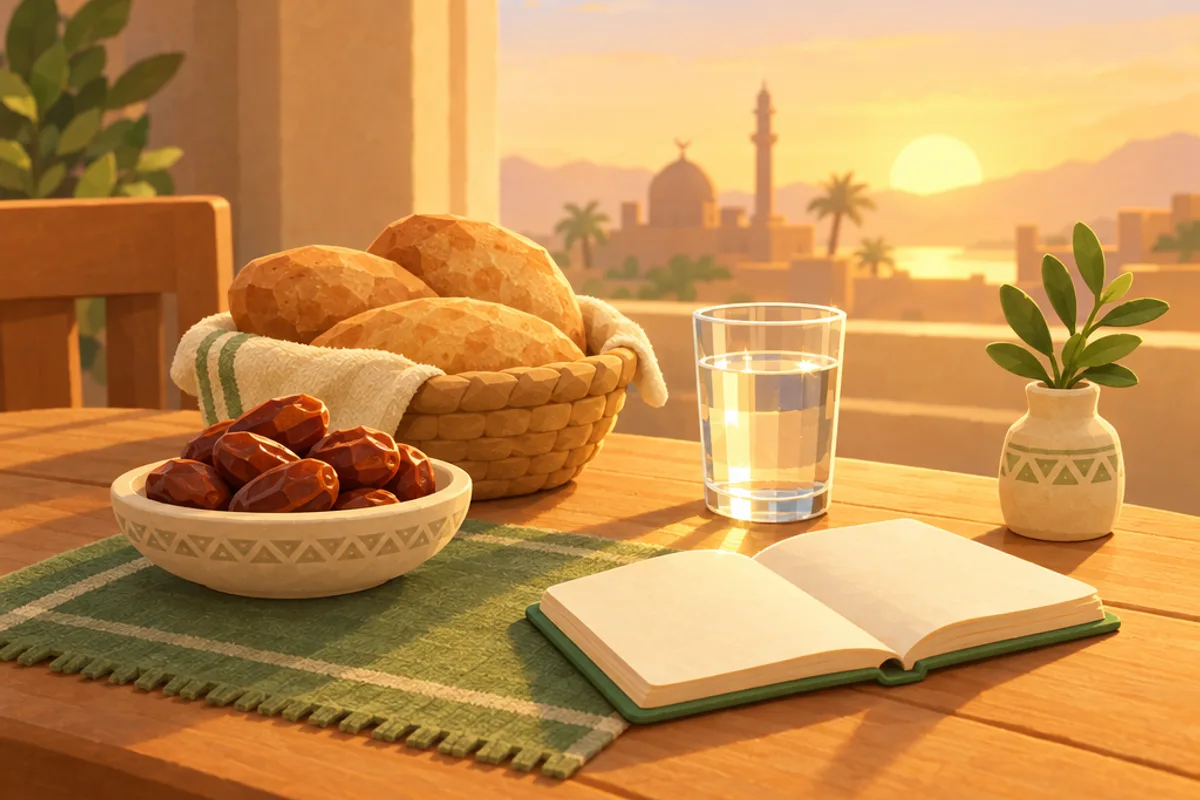
Shukr: seeing, recognizing, acting
In Arabic, الشُّكْر (shukr) means gratitude. Scholars such as Ibn al-Qayyim explain that it rests on three pillars: to recognize in your heart that the blessing comes from Allah, to express it with your tongue by praising Him, and to use it in what He loves. To thank Allah for your eyes is also to use them to read, to help and to admire, rather than to harm.
The Quran links gratitude to a promise of abundance:
وَإِذْ تَأَذَّنَ رَبُّكُمْ لَئِن شَكَرْتُمْ لَأَزِيدَنَّكُمْ ۖ وَلَئِن كَفَرْتُمْ إِنَّ عَذَابِى لَشَدِيدٌۭ
Et lorsque votre Seigneur proclama: «Si vous êtes reconnaissants, très certainement J'augmenterai [Mes bienfaits] pour vous. Mais si vous êtes ingrats, Mon châtiment sera terrible».Elsewhere, it reminds us that “whoever is grateful is grateful only for his own benefit” (31:12). Allah has no need of our thanks: it is we who benefit. Gratitude soothes the heart, protects against envy and makes us attentive to what we already have.
The Prophet ﷺ, a grateful servant
The Prophet ﷺ prayed at night for so long that his feet would crack. ‘A’isha (may Allah be pleased with her) asked him why he put himself through such effort when Allah had forgiven his past and future sins. He replied: “Should I not love to be a grateful servant?” This account is reported by al-Bukhari and Muslim. For him, worship was not a debt to be paid, but a way of saying thank you.
He also taught his Companions to ask Allah for help in thanking Him:
حَدَّثَنَا عُبَيْدُ اللَّهِ بْنُ عُمَرَ بْنِ مَيْسَرَةَ، حَدَّثَنَا عَبْدُ اللَّهِ بْنُ يَزِيدَ الْمُقْرِئُ، حَدَّثَنَا حَيْوَةُ بْنُ شُرَيْحٍ، قَالَ سَمِعْتُ عُقْبَةَ بْنَ مُسْلِمٍ، يَقُولُ حَدَّثَنِي أَبُو عَبْدِ الرَّحْمَنِ الْحُبُلِيُّ، عَنِ الصُّنَابِحِيِّ، عَنْ مُعَاذِ بْنِ جَبَلٍ، أَنَّ رَسُولَ اللَّهِ صلى الله عليه وسلم أَخَذَ بِيَدِهِ وَقَالَ " يَا مُعَاذُ وَاللَّهِ إِنِّي لأُحِبُّكَ وَاللَّهِ إِنِّي لأُحِبُّكَ " . فَقَالَ " أُوصِيكَ يَا مُعَاذُ لاَ تَدَعَنَّ فِي دُبُرِ كُلِّ صَلاَةٍ تَقُولُ اللَّهُمَّ أَعِنِّي عَلَى ذِكْرِكَ وَشُكْرِكَ وَحُسْنِ عِبَادَتِكَ " . وَأَوْصَى بِذَلِكَ مُعَاذٌ الصُّنَابِحِيَّ وَأَوْصَى بِهِ الصُّنَابِحِيُّ أَبَا عَبْدِ الرَّحْمَنِ .
Narrated by Mu‘adh ibn Jabal (may Allah be pleased with him)
The Messenger of Allah ﷺ took my hand and said: “O Mu‘adh, by Allah, I love you.” Then he said: “I advise you, O Mu‘adh, never to miss saying at the end of every prayer: ‘O Allah, help me to remember You, to thank You and to worship You well.’”
In Arabic: اللَّهُمَّ أَعِنِّي عَلَى ذِكْرِكَ وَشُكْرِكَ وَحُسْنِ عِبَادَتِكَ (Allahumma a‘inni ‘ala dhikrika wa shukrika wa husni ‘ibadatik). This supplication acknowledges something essential: even to give thanks, we need Allah’s help.
The prophets before him asked for the same thing. Sulayman (peace be upon him), to whom Allah had given everything, pleaded: “My Lord, enable me to be grateful for Your favor which You have bestowed upon me and upon my parents” (27:19). And the Quran observes gently that “few of My servants are grateful” (34:13): an invitation to be among that small number.
Blessings we no longer see
The first obstacle to gratitude is habit. What we have every day ends up seeming normal: water flowing from the tap, legs that walk, a roof, parents or children who are alive. The Quran reminds us that these blessings are countless:
وَإِن تَعُدُّوا۟ نِعْمَةَ ٱللَّهِ لَا تُحْصُوهَآ ۗ إِنَّ ٱللَّهَ لَغَفُورٌۭ رَّحِيمٌۭ
Et si vous comptez les bienfaits d'Allah, vous ne saurez pas les dénombrer. Car Allah est Pardonneur, et Miséricordieux.The Prophet ﷺ gave a very concrete measure of what true wealth is:
حَدَّثَنَا عَمْرُو بْنُ مَالِكٍ وَمَحْمُودُ بْنُ خِدَاشٍ الْبَغْدَادِيُّ قَالَا حَدَّثَنَا مَرْوَانُ بْنُ مُعَاوِيَةَ حَدَّثَنَا عَبْدُ الرَّحْمَنِ بْنُ أَبِي شُمَيْلَةَ الْأَنْصَارِيُّ عَنْ سَلَمَةَ بْنِ عُبَيْدِ اللَّهِ بْنِ مِحْصَنٍ الْخَطْمِيِّ عَنْ أَبِيهِ وَكَانَتْ لَهُ صُحْبَةٌ قَالَ قَالَ رَسُولُ اللَّهِ صَلَّى اللَّهُ عَلَيْهِ وَسَلَّمَ مَنْ أَصْبَحَ مِنْكُمْ آمِنًا فِي سِرْبِهِ مُعَافًى فِي جَسَدِهِ عِنْدَهُ قُوتُ يَوْمِهِ فَكَأَنَّمَا حِيزَتْ لَهُ الدُّنْيَا قَالَ أَبُو عِيسَى هَذَا حَدِيثٌ حَسَنٌ غَرِيبٌ لَا نَعْرِفُهُ إِلَّا مِنْ حَدِيثِ مَرْوَانَ بْنِ مُعَاوِيَةَ وَحِيزَتْ جُمِعَتْ حَدَّثَنَا بِذَلِكَ مُحَمَّدُ بْنُ إِسْمَعِيلَ حَدَّثَنَا الْحُمَيْدِيُّ حَدَّثَنَا مَرْوَانُ بْنُ مُعَاوِيَةَ نَحْوَهُ وَفِي الْبَاب عَنْ أَبِي الدَّرْدَاءِ
Narrated by ‘Ubaydullah ibn Mihsan al-Khatmi (may Allah be pleased with him)
The Messenger of Allah ﷺ said: “Whoever among you wakes up safe in his home, healthy in his body, and in possession of his food for the day, it is as if the whole world had been gathered for him.”
He also warned that many people are cheated in two blessings, “health and free time” (al-Bukhari no. 6412): we only measure their value when we lose them. And he gave a simple method for not belittling what we have: when we look at someone who has been given more wealth or better looks, we should also look at the one who has less. This advice is reported by al-Bukhari and Muslim.
Thanking people is thanking Allah
Gratitude toward Allah also passes through gratitude toward those He places on our path:
حَدَّثَنَا مُسْلِمُ بْنُ إِبْرَاهِيمَ، حَدَّثَنَا الرَّبِيعُ بْنُ مُسْلِمٍ، عَنْ مُحَمَّدِ بْنِ زِيَادٍ، عَنْ أَبِي هُرَيْرَةَ، عَنِ النَّبِيِّ صلى الله عليه وسلم قَالَ " لاَ يَشْكُرُ اللَّهَ مَنْ لاَ يَشْكُرُ النَّاسَ " .
Narrated by Abu Hurayra (may Allah be pleased with him)
The Prophet ﷺ said: “Whoever does not thank people does not thank Allah.”
Thanking your mother for a meal, a colleague for a favor, a neighbor, a healthcare worker, the person who collects the trash: these are small gestures that matter. Many Muslims say جَزَاكَ اللَّهُ خَيْرًا (jazaka Allahu khayran, “may Allah reward you with good”), a way of thanking someone while also making supplication for them.
In a couple and in a family, gratitude protects against the wear and tear of daily life. Noticing out loud what the other person does, even what seems “normal”, nourishes affection and defuses many tensions.
Simple exercises for every day
The shortest praise is also one of the heaviest in the scale:
حَدَّثَنَا إِسْحَاقُ بْنُ مَنْصُورٍ، حَدَّثَنَا حَبَّانُ بْنُ هِلاَلٍ، حَدَّثَنَا أَبَانٌ، حَدَّثَنَا يَحْيَى، أَنَّ زَيْدًا، حَدَّثَهُ أَنَّ أَبَا سَلاَّمٍ حَدَّثَهُ عَنْ أَبِي مَالِكٍ الأَشْعَرِيِّ، قَالَ قَالَ رَسُولُ اللَّهِ صلى الله عليه وسلم " الطُّهُورُ شَطْرُ الإِيمَانِ وَالْحَمْدُ لِلَّهِ تَمْلأُ الْمِيزَانَ . وَسُبْحَانَ اللَّهِ وَالْحَمْدُ لِلَّهِ تَمْلآنِ - أَوْ تَمْلأُ - مَا بَيْنَ السَّمَوَاتِ وَالأَرْضِ وَالصَّلاَةُ نُورٌ وَالصَّدَقَةُ بُرْهَانٌ وَالصَّبْرُ ضِيَاءٌ وَالْقُرْآنُ حُجَّةٌ لَكَ أَوْ عَلَيْكَ كُلُّ النَّاسِ يَغْدُو فَبَائِعٌ نَفْسَهُ فَمُعْتِقُهَا أَوْ مُوبِقُهَا " .
Narrated by Abu Malik al-Ash‘ari (may Allah be pleased with him)
The Messenger of Allah ﷺ said: “Purification is half of faith; al-hamdu lillah fills the scale; subhan Allah and al-hamdu lillah fill what is between the heavens and the earth […].”
The Prophet ﷺ also said that the best supplication is al-hamdu lillah (at-Tirmidhi no. 3383). Here is an easy routine to set up:
Steps
On waking, begin the day with the supplications for waking up, which praise Allah for giving us life back.
Before and after every meal, say bismillah and then al-hamdu lillah, thinking of those who have nothing to eat.
After every prayer, say the supplication taught to Mu‘adh: Allahumma a‘inni ‘ala dhikrika wa shukrika wa husni ‘ibadatik.
Every day, sincerely thank at least one person, looking at them and naming what they did.
Every evening, write down three specific blessings from the day in a notebook, even tiny ones.
Once a week, turn a blessing into action: share a meal, give some of your time, give charity.
On hearing great good news, many scholars recommend a prostration of gratitude. Ka‘b ibn Malik (may Allah be pleased with him) threw himself into prostration as soon as he learned that his repentance had been accepted, as reported by al-Bukhari and Muslim.
Teaching gratitude to children
Children understand gratitude through concrete things. At home you can set up a thank-you jar: everyone slips in a small note with something for which they say al-hamdu lillah, and you read them together on Friday. You can also play the “five senses game”: naming one blessing for each sense, the eyes, the ears, the nose, the mouth, the hands.
The parents’ example matters most: a parent who thanks their child, who praises Allah aloud before a beautiful landscape or after a meal, teaches without giving a lecture. The stories of the prophets and family games offer other occasions to talk about it simply.
To go further
- Reflect on the verse of the promise: Surah Ibrahim, verse 7.
- The chapter on gratitude in Riyad as-Salihin.
- Supplications after the prayer in Hisn al-Muslim.
- A gratitude lived through praise: Dhikr in an ordinary day.
Questions fréquentes
What does shukr mean in Islam?
Shukr is gratitude toward Allah. Scholars describe it in three parts: recognizing in your heart that the blessing comes from Allah, praising Him with your tongue, and using that blessing for good. It also includes gratitude toward people.
How can I thank Allah in daily life?
By saying “al-hamdu lillah” on waking, at meals and in front of every blessing; by making the supplication “Allahumma a‘inni ‘ala dhikrika wa shukrika wa husni ‘ibadatik” after the prayer; and by using your gifts (health, time, wealth) in what Allah loves.
Which verse speaks about gratitude?
The best known is verse 7 of Surah Ibrahim: “If you are grateful, I will surely increase [My blessings] for you.” You can also reflect on 16:18 about the countless blessings and 31:12 about Luqman’s wisdom.
Why should we thank people in Islam?
Because the Prophet ﷺ said: “Whoever does not thank people does not thank Allah” (Abu Dawud no. 4811, graded authentic by al-Albani). Recognizing the good we receive from others is part of gratitude toward Allah.
How do I teach gratitude to a child?
Through concrete, repeated actions: saying al-hamdu lillah at meals, naming three good things from the day each evening, keeping a thank-you jar as a family. The parents’ example, thanking their own children, matters more than explanations.
Mots arabes de cet article
- Shukr شكر
- Gratitude: recognizing the blessing with the heart, praising Allah with the tongue and using the blessing for good.
- Al-hamdu lillah الحمد لله
- “Praise be to Allah”: the most common phrase of gratitude, which the hadith describes as filling the scale.
- Ni‘ma نعمة
- A blessing, a gift from Allah: health, safety, food, family, faith, time.
- Jazaka Allahu khayran جزاك الله خيرا
- “May Allah reward you with good”: a way of thanking someone while making supplication for them.
- Sujud ash-shukr سجود الشكر
- The prostration of gratitude, performed on receiving good news; its conditions are a matter of disagreement between the schools.
Sources et références
Chaque référence a été contrôlée automatiquement : existence du verset ou du hadith, numérotation sunnah.com, degré d’authenticité selon les savants.
- Coran 14:7Vérifiéquran.com
- Coran 16:18Vérifiéquran.com
- Coran 31:12Vérifiéla gratitude profite à celui qui remerciequran.com
- Coran 27:19Vérifiél’invocation de Sulaymânquran.com
- Coran 34:13Vérifiépeu de serviteurs sont reconnaissantsquran.com
- Sunan Abî Dâwûd n° 1522Sahîh (authentique) · al-AlbânîVérifiéVoir sur sunnah.com
- Jâmi‘ at-Tirmidhî n° 2346Hasan (bon) · Ahmad Muhammad ShâkirVérifiéVoir sur sunnah.com
- Sahîh al-Bukhârî n° 6412Sahîh (authentique) · al-Bukhârî (recueil authentique par consensus)VérifiéVoir sur sunnah.com
- Sunan Abî Dâwûd n° 4811Sahîh (authentique) · al-AlbânîVérifiéVoir sur sunnah.com
- Sahîh Muslim n° 223aSahîh (authentique) · Muslim (recueil authentique par consensus)VérifiéVoir sur sunnah.com
- Jâmi‘ at-Tirmidhî n° 3383Hasan (bon) · Ahmad Muhammad ShâkirVérifiéVoir sur sunnah.com
- Sahîh Muslim n° 2999aSahîh (authentique) · Muslim (recueil authentique par consensus)Vérifiéle croyant remercie dans la joie et patiente dans l’épreuveVoir sur sunnah.com
- Sahîh al-Bukhârî n° 4837Sahîh (authentique) · al-Bukhârî et Muslim (muttafaq ‘alayh)Vérifié« Ne devrais-je pas aimer être un serviteur reconnaissant ? »Voir sur sunnah.com
- Sahîh al-Bukhârî n° 6490Sahîh (authentique) · al-Bukhârî et Muslim (muttafaq ‘alayh)Vérifiéregarder celui qui a moins que soiVoir sur sunnah.com
- Sahîh al-Bukhârî n° 4418Sahîh (authentique) · al-Bukhârî et Muslim (muttafaq ‘alayh)Vérifiéla prosternation de Ka‘b ibn Mâlik à l’annonce de son pardonVoir sur sunnah.com
- Madârij as-sâlikîn, station de la gratitude — Ibn Qayyim al-JawziyyaRéférence bibliographique
Dans l’application
Cet article est une synthèse pédagogique : il résume des sources vérifiées et ne constitue pas une fatwa. Les détails de pratique peuvent varier selon les écoles. Pour une situation personnelle, consultez une personne qualifiée. Signaler une erreur
Articles liés

Patience (sabr): what it really is and how to cultivate it
Sabr is neither resignation nor passivity: its three forms, what the Quran and the Sunnah say about trials, and simple practices for becoming more patient.
Dhikr: Remembering Allah Through an Ordinary Day
The authentic phrases of dhikr, the moments to place them from waking to bedtime, the right amount and how to keep the heart present, at any age and in any situation.

Morning and evening supplications: a ten-minute routine
A selection of authentic morning and evening supplications, their meaning, the best time to say them and a simple method to turn them into a lasting habit.