Raising children with kindness: gentle firmness and example
Tenderness, prayer from age seven, play and screens: what the Quran and the sunna teach about raising children with gentleness, clear rules and example.
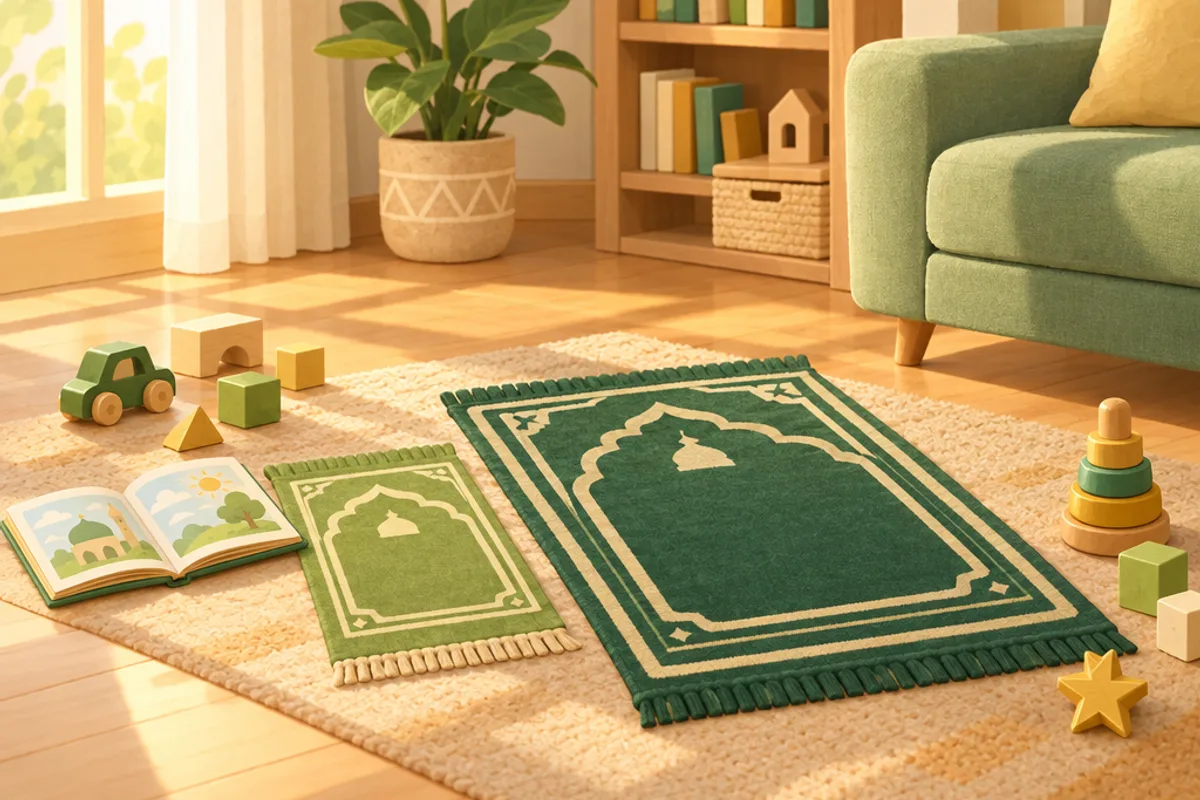
A responsibility entrusted by Allah
Raising a child is called تَرْبِيَة (tarbiya) in Arabic, a word whose root evokes growth: making grow, nourishing, accompanying. It is not only a matter of passing on rules, but of helping a person flourish, with a healthy heart and good habits.
The Quran entrusts this mission to believers in strong words:
يَٰٓأَيُّهَا ٱلَّذِينَ ءَامَنُوا۟ قُوٓا۟ أَنفُسَكُمْ وَأَهْلِيكُمْ نَارًۭا وَقُودُهَا ٱلنَّاسُ وَٱلْحِجَارَةُ عَلَيْهَا مَلَٰٓئِكَةٌ غِلَاظٌۭ شِدَادٌۭ لَّا يَعْصُونَ ٱللَّهَ مَآ أَمَرَهُمْ وَيَفْعَلُونَ مَا يُؤْمَرُونَ
O vous qui avez cru! Préservez vos personnes et vos familles, d'un Feu dont le combustible sera les gens et les pierres, surveillé par des Anges rudes, durs, ne désobéissant jamais à Allah en ce qu'Il leur commande, et faisant strictement ce qu'on leur ordonne.Protecting oneself and one’s family does not mean constantly watching over them or frightening them. The commentators explain that it means teaching what is good, setting an example and keeping away, as far as possible, from what harms. The Prophet ﷺ summed up this responsibility with a simple image:
حَدَّثَنَا بِشْرُ بْنُ مُحَمَّدٍ، قَالَ أَخْبَرَنَا عَبْدُ اللَّهِ، قَالَ أَخْبَرَنَا يُونُسُ، عَنِ الزُّهْرِيِّ، قَالَ أَخْبَرَنَا سَالِمُ بْنُ عَبْدِ اللَّهِ، عَنِ ابْنِ عُمَرَ ـ رضى الله عنهما ـ أَنَّ رَسُولَ اللَّهِ صلى الله عليه وسلم يَقُولُ " كُلُّكُمْ رَاعٍ ". وَزَادَ اللَّيْثُ قَالَ يُونُسُ كَتَبَ رُزَيْقُ بْنُ حُكَيْمٍ إِلَى ابْنِ شِهَابٍ ـ وَأَنَا مَعَهُ يَوْمَئِذٍ بِوَادِي الْقُرَى ـ هَلْ تَرَى أَنْ أُجَمِّعَ. وَرُزَيْقٌ عَامِلٌ عَلَى أَرْضٍ يَعْمَلُهَا، وَفِيهَا جَمَاعَةٌ مِنَ السُّودَانِ وَغَيْرِهِمْ، وَرُزَيْقٌ يَوْمَئِذٍ عَلَى أَيْلَةَ، فَكَتَبَ ابْنُ شِهَابٍ ـ وَأَنَا أَسْمَعُ ـ يَأْمُرُهُ أَنْ يُجَمِّعَ، يُخْبِرُهُ أَنَّ سَالِمًا حَدَّثَهُ أَنَّ عَبْدَ اللَّهِ بْنَ عُمَرَ يَقُولُ سَمِعْتُ رَسُولَ اللَّهِ صلى الله عليه وسلم يَقُولُ " كُلُّكُمْ رَاعٍ، وَكُلُّكُمْ مَسْئُولٌ عَنْ رَعِيَّتِهِ، الإِمَامُ رَاعٍ وَمَسْئُولٌ عَنْ رَعِيَّتِهِ، وَالرَّجُلُ رَاعٍ فِي أَهْلِهِ وَهْوَ مَسْئُولٌ عَنْ رَعِيَّتِهِ، وَالْمَرْأَةُ رَاعِيَةٌ فِي بَيْتِ زَوْجِهَا وَمَسْئُولَةٌ عَنْ رَعِيَّتِهَا، وَالْخَادِمُ رَاعٍ فِي مَالِ سَيِّدِهِ وَمَسْئُولٌ عَنْ رَعِيَّتِهِ ـ قَالَ وَحَسِبْتُ أَنْ قَدْ قَالَ ـ وَالرَّجُلُ رَاعٍ فِي مَالِ أَبِيهِ وَمَسْئُولٌ عَنْ رَعِيَّتِهِ وَكُلُّكُمْ رَاعٍ وَمَسْئُولٌ عَنْ رَعِيَّتِهِ ".
Narrated by ‘Abdullah ibn ‘Umar (may Allah be pleased with them)
I heard the Messenger of Allah ﷺ say: “All of you are shepherds, and each of you is responsible for those in his charge. The ruler is a shepherd, and he is responsible for those under his care. A man is a shepherd for his family, and he is responsible for them. A woman is a shepherdess in her husband’s house, and she is responsible for it. […] All of you are shepherds, and each of you is responsible for those in his charge.”
The shepherd رَاعٍ (ra‘in) does not mistreat his flock to make it advance: he walks ahead, knows each animal, protects it and brings it back when it strays. It is a beautiful image of what is expected of a parent. The Prophet ﷺ also recalled that every child is born with a healthy nature, the فِطْرَة (fitra), a natural disposition to recognize Allah and what is good, which one’s surroundings can nurture or damage (a hadith reported by al-Bukhari and Muslim).
Tenderness is not a weakness
Some think a parent must remain distant in order to be respected. The Prophet ﷺ showed the opposite, and he said so clearly to a man who thought that way:
حَدَّثَنَا أَبُو الْيَمَانِ، أَخْبَرَنَا شُعَيْبٌ، عَنِ الزُّهْرِيِّ، حَدَّثَنَا أَبُو سَلَمَةَ بْنُ عَبْدِ الرَّحْمَنِ، أَنَّ أَبَا هُرَيْرَةَ ـ رضى الله عنه ـ قَالَ قَبَّلَ رَسُولُ اللَّهِ صلى الله عليه وسلم الْحَسَنَ بْنَ عَلِيٍّ وَعِنْدَهُ الأَقْرَعُ بْنُ حَابِسٍ التَّمِيمِيُّ جَالِسًا. فَقَالَ الأَقْرَعُ إِنَّ لِي عَشَرَةً مِنَ الْوَلَدِ مَا قَبَّلْتُ مِنْهُمْ أَحَدًا. فَنَظَرَ إِلَيْهِ رَسُولُ اللَّهِ صلى الله عليه وسلم ثُمَّ قَالَ " مَنْ لاَ يَرْحَمُ لاَ يُرْحَمُ ".
Narrated by Abu Hurayra (may Allah be pleased with him)
The Messenger of Allah ﷺ kissed al-Hasan ibn ‘Ali while al-Aqra‘ ibn Habis at-Tamimi was sitting beside him. Al-Aqra‘ said: “I have ten children and I have never kissed any of them.” The Messenger of Allah ﷺ looked at him and then said: “Whoever shows no mercy will be shown no mercy.”
Mercy, the رَحْمَة (rahma), passes through very simple gestures: kissing, hugging, saying “I love you,” listening to a child tell about his day. These gestures build the trust on which all religious education will later rest. A child who feels loved accepts limits more easily.
Firmness has its full place, but it passes through gentleness, the رِفْق (rifq):
حَدَّثَنَا عُبَيْدُ اللَّهِ بْنُ مُعَاذٍ الْعَنْبَرِيُّ، حَدَّثَنَا أَبِي، حَدَّثَنَا شُعْبَةُ، عَنِ الْمِقْدَامِ، - وَهُوَ ابْنُ شُرَيْحِ بْنِ هَانِئٍ - عَنْ أَبِيهِ، عَنْ عَائِشَةَ، زَوْجِ النَّبِيِّ صلى الله عليه وسلم عَنِ النَّبِيِّ صلى الله عليه وسلم قَالَ " إِنَّ الرِّفْقَ لاَ يَكُونُ فِي شَىْءٍ إِلاَّ زَانَهُ وَلاَ يُنْزَعُ مِنْ شَىْءٍ إِلاَّ شَانَهُ " .
Narrated by ‘A’isha (may Allah be pleased with her)
The Messenger of Allah ﷺ said: “Gentleness is not present in a thing without beautifying it, and it is not removed from a thing without making it ugly.”
Being firm with gentleness means saying no without humiliating, holding to a rule without shouting, explaining the why in words suited to the age. For moments when patience runs out, the article Managing anger offers concrete actions.
Growing by stages: each age has its needs
There is no magic recipe, but a few landmarks help to adjust one’s expectations:
- Little ones (up to about 6 years): play, tenderness, simple routines (saying bismillah before eating, a short supplication before sleeping), stories of the prophets told warmly.
- Children (about 7 to 12 years): learning the prayer, the Quran and good manners, responsibilities suited to them and plenty of encouragement.
- Teenagers: dialogue, trust, the right to ask difficult questions; the parent gradually moves from the role of coach to that of advisor.
Play is fully part of education. ‘A’isha (may Allah be pleased with her) relates that she played with dolls at the Prophet’s ﷺ home with her friends (reported by al-Bukhari and Muslim). On a feast day, when Abu Bakr wanted to silence two little girls who were singing, the Prophet ﷺ told him: “Every people has its feast, and this is our feast” (reported by al-Bukhari). Laughing, running and playing together do not take us away from religion: they make it lovable.
Prayer at seven: three years to learn
The sunna gives a precise landmark for prayer:
حَدَّثَنَا مُؤَمَّلُ بْنُ هِشَامٍ، - يَعْنِي الْيَشْكُرِيَّ - حَدَّثَنَا إِسْمَاعِيلُ، عَنْ سَوَّارٍ أَبِي حَمْزَةَ، - قَالَ أَبُو دَاوُدَ وَهُوَ سَوَّارُ بْنُ دَاوُدَ أَبُو حَمْزَةَ الْمُزَنِيُّ الصَّيْرَفِيُّ - عَنْ عَمْرِو بْنِ شُعَيْبٍ، عَنْ أَبِيهِ، عَنْ جَدِّهِ، قَالَ قَالَ رَسُولُ اللَّهِ صلى الله عليه وسلم " مُرُوا أَوْلاَدَكُمْ بِالصَّلاَةِ وَهُمْ أَبْنَاءُ سَبْعِ سِنِينَ وَاضْرِبُوهُمْ عَلَيْهَا وَهُمْ أَبْنَاءُ عَشْرِ سِنِينَ وَفَرِّقُوا بَيْنَهُمْ فِي الْمَضَاجِعِ " .
Narrated by ‘Abdullah ibn ‘Amr ibn al-‘As (may Allah be pleased with them)
The Messenger of Allah ﷺ said: “Command your children to pray when they reach seven years, beat them for it when they reach ten years, and separate them in their beds.”
This hadith first asks for three years of patient learning, from seven to ten. The scholars who commented on it strictly framed the second part: never on the face, never a gesture that hurts or leaves a mark, never under the effect of anger, and only after everything else has been tried. The aim is to show the seriousness of prayer, never to hurt. The Prophet ﷺ himself never struck with his hand either a woman or a servant (reported by Muslim). In France, moreover, the Civil Code has specified since 2019 that parental authority is exercised without physical or psychological violence: words, example and encouragement are the way to follow.
The Quran sets the tone for this perseverance:
وَأْمُرْ أَهْلَكَ بِٱلصَّلَوٰةِ وَٱصْطَبِرْ عَلَيْهَا ۖ لَا نَسْـَٔلُكَ رِزْقًۭا ۖ نَّحْنُ نَرْزُقُكَ ۗ وَٱلْعَٰقِبَةُ لِلتَّقْوَىٰ
Et commande à ta famille la Salât, et fais-la avec persévérance. Nous ne te demandons point de nourriture: c'est à Nous de te nourrir. La bonne fin est réservée à la piété.Here is one possible progression, to be adapted to each child:
Steps
From age 4 or 5, let the child pray beside you, without any demands: he imitates, and that is already a lot.
Around age 7, learn ablution, then one prayer at a time, beginning with the one where the whole family is together.
Prepare a small tracking chart and celebrate progress, without comparing with brothers and sisters.
Learn al-Fatiha and two short surahs, then the supplications of the prayer, at his own pace.
Around age 9 or 10, aim for the five prayers, gently reminding of the time and praying together as much as possible.
The illustrated guide Prayer explained to children and the one on ablution can accompany these stages.
Screens and free time
Screens did not exist in the time of the Prophet ﷺ, but one of his teachings applies to them perfectly:
حَدَّثَنَا الْمَكِّيُّ بْنُ إِبْرَاهِيمَ، أَخْبَرَنَا عَبْدُ اللَّهِ بْنُ سَعِيدٍ ـ هُوَ ابْنُ أَبِي هِنْدٍ ـ عَنْ أَبِيهِ، عَنِ ابْنِ عَبَّاسٍ ـ رضى الله عنهما ـ قَالَ قَالَ النَّبِيُّ صلى الله عليه وسلم " نِعْمَتَانِ مَغْبُونٌ فِيهِمَا كَثِيرٌ مِنَ النَّاسِ، الصِّحَّةُ وَالْفَرَاغُ ". قَالَ عَبَّاسٌ الْعَنْبَرِيُّ حَدَّثَنَا صَفْوَانُ بْنُ عِيسَى، عَنْ عَبْدِ اللَّهِ بْنِ سَعِيدِ بْنِ أَبِي هِنْدٍ، عَنْ أَبِيهِ، سَمِعْتُ ابْنَ عَبَّاسٍ، عَنِ النَّبِيِّ صلى الله عليه وسلم مِثْلَهُ.
Narrated by Ibn ‘Abbas (may Allah be pleased with them)
The Prophet ﷺ said: “There are two blessings in which many people are cheated: health and free time.”
A child’s time is precious. A few habits help protect it without waging war at home:
- no screens during meals or at prayer time;
- devices sleep outside the bedroom at night;
- clear durations, announced in advance, rather than sudden bans;
- watching together and discussing what one sees;
- offering something else: board games, sports, reading, cooking or family games.
For the youngest, follow the guidelines of your doctor or health authorities. And above all, set the example: a child very quickly notices if his parents’ phone never leaves them.
Example before speeches
Children retain less of what they are told than of what they see. A parent who prays on time, who tells the truth, who speaks respectfully of his own parents and who asks forgiveness when he has made a mistake teaches all that without a word. Luqman, whose counsels to his son the Quran reports, begins with the oneness of Allah, then speaks of prayer, patience, humility and even the tone of voice (surah 31, verses 13 to 19).
Education is, finally, a matter of دُعَاء (du‘a’), of supplication. The Quran teaches this prayer of parents:
وَٱلَّذِينَ يَقُولُونَ رَبَّنَا هَبْ لَنَا مِنْ أَزْوَٰجِنَا وَذُرِّيَّٰتِنَا قُرَّةَ أَعْيُنٍۢ وَٱجْعَلْنَا لِلْمُتَّقِينَ إِمَامًا
et qui disent: «Seigneur, donne-nous, en nos épouses et nos descendants, la joie des yeux, et fais de nous un guide pour les pieux».Our efforts count, but it is Allah who guides hearts. Doing one’s best, then entrusting oneself to Him, frees one from the pressure of being a perfect parent.
Going further
- The Prophet ﷺ and children: his everyday tenderness.
- The Raising children sheet in the family space.
- Luqman’s counsels to his son: surah Luqman, verses 13 to 19.
- The chapter on good manners in Riyad as-Salihin.
Questions fréquentes
At what age should a child be taught to pray?
The hadith reported by Abu Dawud sets seven years to begin commanding it, with a progression up to ten years. Before that, the child can pray beside his parents by imitation, without any demands. The essential thing is to make prayer familiar and loved.
Does Islam permit hitting a child?
The hadith on prayer mentions a correction at ten that scholars have very strictly framed: never on the face, without pain or mark, never in anger. The Prophet ﷺ never struck either a woman or a servant, and French law forbids educational violence. Words, example and encouragement remain the way to favor; for a specific situation, consult a qualified person.
Must one be strict to be respected by one’s children?
No. The Prophet ﷺ kissed his grandchildren and rebuked a man who never kissed his own. Firmness means holding to clear rules, not being harsh: gentleness beautifies everything.
How can screens be limited without constant conflict?
Set simple and predictable rules: no screens at meals or at night in the bedroom, durations announced in advance. Offer replacement activities and set the example with your own phone. For the youngest, follow your doctor’s guidelines.
I shouted at my child: what should I do?
Go back to him once calm, acknowledge your mistake and ask his forgiveness. This gesture teaches him repair and self-control better than any speech. The article on anger offers actions for next time.
Mots arabes de cet article
- Tarbiya تربية
- Education in the broad sense: helping a child grow in body, heart, intelligence and faith.
- Rahma رحمة
- Mercy, tenderness; a quality Allah loves and that the Prophet ﷺ showed toward children.
- Rifq رفق
- Gentleness in the way of acting and speaking, which beautifies everything it touches according to the hadith.
- Fitra فطرة
- The healthy original nature with which every child is born, disposed to recognize Allah and what is good.
- Ra‘in راعٍ
- The shepherd: the one who has charge of others and is responsible for them, an image used by the Prophet ﷺ for parents.
- Du‘a’ دعاء
- Supplication, the request addressed directly to Allah, for example for the guidance of one’s children.
Sources et références
Chaque référence a été contrôlée automatiquement : existence du verset ou du hadith, numérotation sunnah.com, degré d’authenticité selon les savants.
- Coran 66:6Vérifiéquran.com
- Coran 20:132Vérifiéquran.com
- Coran 25:74Vérifiéquran.com
- Coran 31:13-19Vérifiéles conseils de Luqmân à son filsquran.com
- Sahîh al-Bukhârî n° 893Sahîh (authentique) · al-Bukhârî et Muslim (muttafaq ‘alayh, Muslim n° 1829a)VérifiéVoir sur sunnah.com
- Sahîh al-Bukhârî n° 5997Sahîh (authentique) · al-Bukhârî et Muslim (muttafaq ‘alayh, Muslim n° 2318a)VérifiéVoir sur sunnah.com
- Sahîh Muslim n° 2594aSahîh (authentique) · Muslim (recueil authentique par consensus)VérifiéVoir sur sunnah.com
- Sunan Abî Dâwûd n° 495Hasan sahîh · al-AlbânîVérifiéVoir sur sunnah.com
- Sahîh al-Bukhârî n° 6412Sahîh (authentique) · al-Bukhârî (recueil authentique par consensus)VérifiéVoir sur sunnah.com
- Sahîh al-Bukhârî n° 1385Sahîh (authentique) · al-Bukhârî et Muslim (muttafaq ‘alayh)Vérifiéchaque enfant naît selon la fitraVoir sur sunnah.com
- Sahîh al-Bukhârî n° 952Sahîh (authentique) · al-Bukhârî (recueil authentique par consensus)Vérifié« chaque peuple a sa fête, et voici notre fête »Voir sur sunnah.com
- Riyâd as-Sâlihîn, chapitres sur la miséricorde envers les enfants et l’éducation de la famille — an-NawawîRéférence bibliographiquesunnah.com
Dans l’application
Cet article est une synthèse pédagogique : il résume des sources vérifiées et ne constitue pas une fatwa. Les détails de pratique peuvent varier selon les écoles. Pour une situation personnelle, consultez une personne qualifiée. Signaler une erreur
Articles liés
The Prophet ﷺ and Children: Tenderness, Play and Respect
Kisses, games, greetings and lessons given gently: what the authentic accounts teach us about how the Prophet ﷺ treated children.

Managing anger: the Prophet’s ﷺ advice and practical steps
Why anger rises, what the Prophet ﷺ advised doing in the moment, and simple steps to keep it in check at home, at work and with children.

Parents: kindness (birr al-wâlidayn) in everyday life
Elderly parents, disagreements, non-Muslim parents, after their death: what the Quran and the sunna teach about kindness to parents, with concrete actions.