Zakat: understanding and calculating your zakat al-mal step by step
Nisab, lunar year, assets to count, the 2.5% rate: how to calculate your zakat al-mal with a worked example, and the eight categories of recipients.
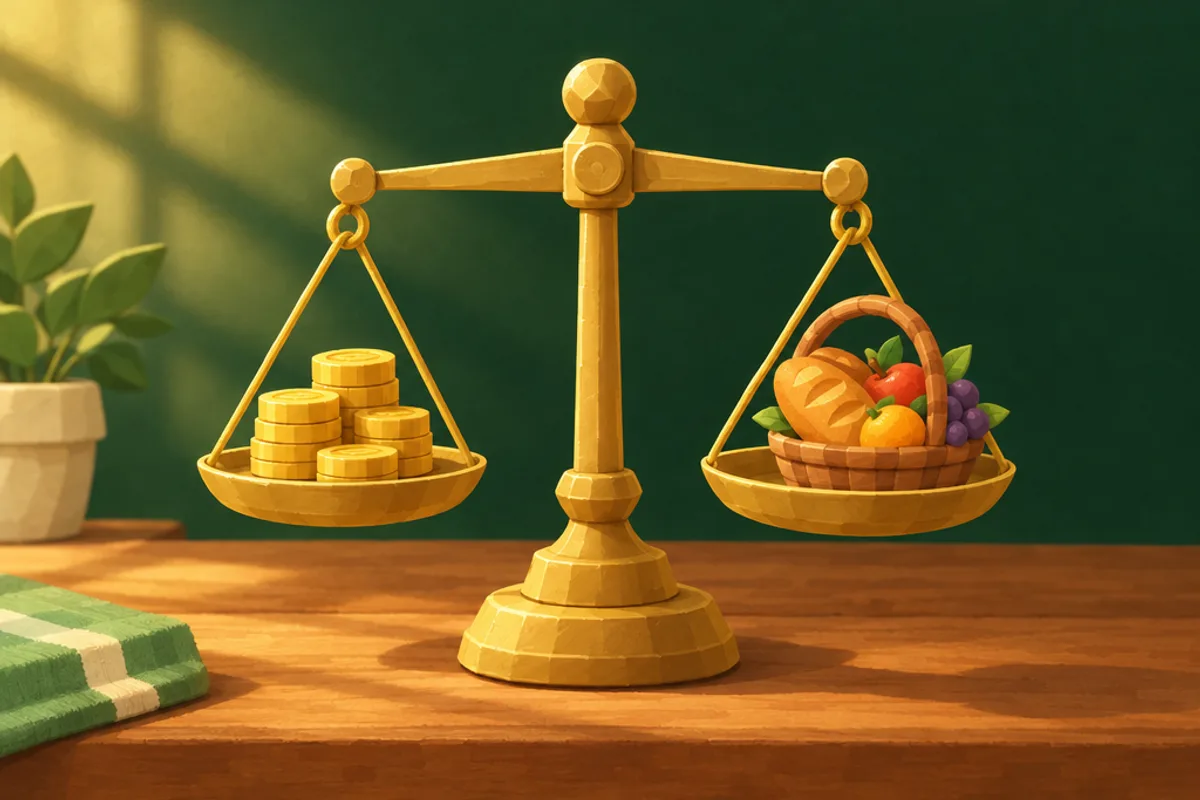
Zakat, a right of the poor over our wealth
The word الزَّكَاة (zakat) means both “purification” and “growth”. It refers to the obligatory charity that a Muslim who can afford it pays each year on his savings. It is not an optional gift: it is one of the five pillars of Islam.
حَدَّثَنَا عُبَيْدُ اللَّهِ بْنُ مُوسَى، قَالَ أَخْبَرَنَا حَنْظَلَةُ بْنُ أَبِي سُفْيَانَ، عَنْ عِكْرِمَةَ بْنِ خَالِدٍ، عَنِ ابْنِ عُمَرَ ـ رضى الله عنهما ـ قَالَ قَالَ رَسُولُ اللَّهِ صلى الله عليه وسلم " بُنِيَ الإِسْلاَمُ عَلَى خَمْسٍ شَهَادَةِ أَنْ لاَ إِلَهَ إِلاَّ اللَّهُ وَأَنَّ مُحَمَّدًا رَسُولُ اللَّهِ، وَإِقَامِ الصَّلاَةِ، وَإِيتَاءِ الزَّكَاةِ، وَالْحَجِّ، وَصَوْمِ رَمَضَانَ ".
Narrated by ‘Abdullah ibn ‘Umar (may Allah be pleased with him and with his father)
The Messenger of Allah ﷺ said: “Islam is built on five pillars: the testimony that there is no god but Allah and that Muhammad is the Messenger of Allah, the establishment of prayer, the payment of zakat, the pilgrimage and the fast of Ramadan.”
The Quran explains what zakat produces in the one who gives it:
خُذْ مِنْ أَمْوَٰلِهِمْ صَدَقَةًۭ تُطَهِّرُهُمْ وَتُزَكِّيهِم بِهَا وَصَلِّ عَلَيْهِمْ ۖ إِنَّ صَلَوٰتَكَ سَكَنٌۭ لَّهُمْ ۗ وَٱللَّهُ سَمِيعٌ عَلِيمٌ
Prélève de leurs biens une Sadaqa par laquelle tu les purifies et les bénis, et prie pour eux. Ta prière est une quiétude pour eux. Et Allah est Audient et Omniscient.The Prophet ﷺ also summed up its movement when he sent his Companion Mu‘adh ibn Jabal to Yemen:
حَدَّثَنَا أَبُو عَاصِمٍ الضَّحَّاكُ بْنُ مَخْلَدٍ، عَنْ زَكَرِيَّاءَ بْنِ إِسْحَاقَ، عَنْ يَحْيَى بْنِ عَبْدِ اللَّهِ بْنِ صَيْفِيٍّ، عَنْ أَبِي مَعْبَدٍ، عَنِ ابْنِ عَبَّاسٍ ـ رضى الله عنهما ـ أَنَّ النَّبِيَّ صلى الله عليه وسلم بَعَثَ مُعَاذًا ـ رضى الله عنه ـ إِلَى الْيَمَنِ فَقَالَ " ادْعُهُمْ إِلَى شَهَادَةِ أَنْ لاَ إِلَهَ إِلاَّ اللَّهُ، وَأَنِّي رَسُولُ اللَّهِ، فَإِنْ هُمْ أَطَاعُوا لِذَلِكَ فَأَعْلِمْهُمْ أَنَّ اللَّهَ قَدِ افْتَرَضَ عَلَيْهِمْ خَمْسَ صَلَوَاتٍ فِي كُلِّ يَوْمٍ وَلَيْلَةٍ، فَإِنْ هُمْ أَطَاعُوا لِذَلِكَ فَأَعْلِمْهُمْ أَنَّ اللَّهَ افْتَرَضَ عَلَيْهِمْ صَدَقَةً فِي أَمْوَالِهِمْ، تُؤْخَذُ مِنْ أَغْنِيَائِهِمْ وَتُرَدُّ عَلَى فُقَرَائِهِمْ ".
Narrated by ‘Abdullah ibn ‘Abbas (may Allah be pleased with him)
The Prophet ﷺ sent Mu‘adh to Yemen and said to him: “Call them to testify that there is no god but Allah and that I am the Messenger of Allah. If they accept that, teach them that Allah has prescribed five prayers for them every day and night. If they accept that, teach them that Allah has prescribed a charity on their wealth, taken from their rich and given back to their poor.”
This article is about zakat al-mal, the zakat on wealth. It is different from zakat al-fitr, the small charity paid by each person at the end of Ramadan (see Fasting Ramadan).
The two thresholds: the nisab and the lunar year
Zakat al-mal is due only if two conditions are met.
The nisab (النِّصَاب, the minimum threshold). It corresponds to 20 mithqal of gold, i.e. about 85 grams of pure gold, or to 200 dirhams of silver, i.e. about 595 grams of pure silver. The Prophet ﷺ specified that there is no zakat on less than five awaq of silver, that is, 200 dirhams (reported by al-Bukhari and Muslim). To know the value of the nisab in euros, multiply this weight by the price per gram on the day of the calculation.
The lunar year (الحَوْل hawl). The savings must remain at the level of the nisab for a full lunar year, about 354 days. In practice, many people choose a fixed date, for example the first day of Ramadan, and do their accounts each year on that date.
Which assets should be counted?
Zakat applies to wealth meant to be saved or to make a profit, not to what you use to live.
Count:
- cash, current accounts and savings (savings books, term accounts);
- gold and silver held as investment (bars, coins);
- the merchandise of a business, at its selling value;
- sums lent that you are sure to recover;
- financial investments, according to terms that vary from one school to another.
Do not count:
- your main residence;
- the car, furniture, clothes and objects of personal use;
- the tools and machines needed for your work.
Calculating your zakat step by step
Steps
Set your zakat date and stick to it every lunar year.
On that day, note the balances of all your accounts and the cash you hold.
Add the value of the gold and silver subject to zakat, at the day’s price.
Add the value of merchandise and of the sums lent that you will recover.
Subtract debts that must be paid immediately (bills, installments that have fallen due).
Compare the total with the nisab: if it is lower, no zakat is due this year.
If it reaches it, multiply the total by 2.5%, that is, divide it by 40.
Pay the sum to the recipients, with the intention of discharging your zakat.
A worked example
Let us take a fictional household, with a hypothetical price of €100 per gram of gold. The gold-based nisab is then worth 85 × 100 = €8,500. (Always check the real price on the day of your calculation.)
- Current accounts and savings books: €9,400
- Cash at home: €300
- Gold coins held as investment: 20 g × €100 = €2,000
- Sum lent to a relative, who repays without difficulty: €500
- Total assets: €12,200
- Debts to be paid immediately: €1,200
- Amount subject to zakat: 12,200 − 1,200 = €11,000
The €11,000 exceeds the nisab of €8,500, and this level of savings was kept all year. The zakat is therefore 11,000 × 2.5% = €275. This household has nothing to count for its house, its car or the jewelry worn daily, if it follows the majority opinion on the latter.
To whom should you give your zakat?
The Quran itself lists the recipients, which shows the importance of this pillar:
۞ إِنَّمَا ٱلصَّدَقَٰتُ لِلْفُقَرَآءِ وَٱلْمَسَٰكِينِ وَٱلْعَٰمِلِينَ عَلَيْهَا وَٱلْمُؤَلَّفَةِ قُلُوبُهُمْ وَفِى ٱلرِّقَابِ وَٱلْغَٰرِمِينَ وَفِى سَبِيلِ ٱللَّهِ وَٱبْنِ ٱلسَّبِيلِ ۖ فَرِيضَةًۭ مِّنَ ٱللَّهِ ۗ وَٱللَّهُ عَلِيمٌ حَكِيمٌۭ
Les ?adaqâts ne sont destinés que pour les pauvres, les indigents, ceux qui y travaillent, ceux dont les cœurs sont à gagner (à l'Islam), l'affranchissement des jougs, ceux qui sont lourdement endettés, dans le sentier d'Allah, et pour le voyageur (en détresse). C'est un décret d'Allah! Et Allah est Omniscient et Sage.These eight categories are: the poor, the needy, those who collect and distribute zakat, those whose hearts are to be reconciled, the freeing of captives, those heavily in debt, the cause of Allah, and the traveler in difficulty. In practice, the largest share goes to people in need, near or far.
A few landmarks:
- you do not pay your zakat to those you are already responsible for, such as your parents, your children or your wife;
- a brother, a sister or a cousin in need can receive it, and it is even a beautiful way of keeping family ties;
- going through an association is possible, provided that it clearly distinguishes zakat from other donations and redistributes it to the prescribed categories;
- discretion is preferable, to preserve the dignity of the one who receives.
Giving does not make you lose:
حَدَّثَنَا يَحْيَى بْنُ أَيُّوبَ، وَقُتَيْبَةُ، وَابْنُ، حُجْرٍ قَالُوا حَدَّثَنَا إِسْمَاعِيلُ، - وَهُوَ ابْنُ جَعْفَرٍ - عَنِ الْعَلاَءِ، عَنْ أَبِيهِ، عَنْ أَبِي هُرَيْرَةَ، عَنْ رَسُولِ اللَّهِ صلى الله عليه وسلم قَالَ " مَا نَقَصَتْ صَدَقَةٌ مِنْ مَالٍ وَمَا زَادَ اللَّهُ عَبْدًا بِعَفْوٍ إِلاَّ عِزًّا وَمَا تَوَاضَعَ أَحَدٌ لِلَّهِ إِلاَّ رَفَعَهُ اللَّهُ " .
Narrated by Abu Hurayra (may Allah be pleased with him)
The Messenger of Allah ﷺ said: “Charity does not diminish wealth in any way. Allah increases the servant who forgives only in honor, and no one humbles himself for Allah without Allah raising him.”
Practical questions
Can you pay in several installments? It is recommended to pay zakat as soon as it is due. Some prefer to advance it and spread it over the year, which many scholars permit.
Must you tell the recipient? No: it is enough to have the intention yourself that this gift is your zakat. There is no need to embarrass someone by telling them.
What if I forgot some years? Unpaid zakat remains due. You recalculate the past years as best you can, then settle gradually, with the help of a qualified person if necessary.
To go further
- Read the verse on the recipients: Surah at-Tawba, verse 60.
- Prepare for the end of Ramadan: Fasting Ramadan, a practical guide.
- The chapters on generosity in Riyad as-Salihin.
- Understanding our references: Methodology and sources.
Questions fréquentes
How do I calculate zakat on my savings?
On a fixed date each lunar year, add up the money in your accounts, your cash, your gold and silver held as investment, and your merchandise, then subtract the debts to be paid immediately. If the total reaches the nisab, multiply it by 2.5%. For a complex estate, get help from a qualified person.
What is the nisab in euros?
The nisab corresponds to about 85 g of gold or 595 g of silver: its value in euros therefore changes with the price of these metals. Multiply the weight by the price per gram on the day of your calculation. Scholars differ on which metal to adopt for cash.
Is zakat due on gold jewelry?
The Hanafis hold that gold jewelry is subject to zakat. The majority of other scholars exempt jewelry worn habitually and reasonably, but not gold kept as an investment. Follow the opinion of your school or of a qualified person.
Can you give your zakat to your family?
You do not give it to those you are already responsible for: parents, children, wife. However, a brother, sister, uncle or cousin in need can receive it, which also helps maintain family ties.
What is the difference between zakat al-mal and zakat al-fitr?
Zakat al-mal is due once a year on savings that reach the nisab, at a rate of 2.5%. Zakat al-fitr is a small sum or a quantity of food paid for each family member before the ‘Eid prayer, at the end of Ramadan.
Mots arabes de cet article
- Zakat الزكاة
- Obligatory charity taken each year on certain assets; the word means purification and growth.
- Zakat al-mal زكاة المال
- Zakat on wealth: 2.5% of the savings, gold, silver and merchandise that reach the nisab for a lunar year.
- Zakat al-fitr زكاة الفطر
- Small charity paid for each person at the end of Ramadan, before the ‘Eid prayer.
- Nisab النصاب
- The minimum wealth threshold from which zakat is due: about 85 g of gold or 595 g of silver.
- Hawl الحول
- The full lunar year during which savings must remain at the level of the nisab.
- Mithqal مثقال
- An ancient unit of weight for gold; twenty mithqal make up the gold nisab.
Sources et références
Chaque référence a été contrôlée automatiquement : existence du verset ou du hadith, numérotation sunnah.com, degré d’authenticité selon les savants.
- Coran 9:103Vérifiéquran.com
- Coran 9:60Vérifiéquran.com
- Sahîh al-Bukhârî n° 8Sahîh (authentique) · al-Bukhârî et Muslim (muttafaq ‘alayh, Muslim n° 16a)VérifiéVoir sur sunnah.com
- Sahîh al-Bukhârî n° 1395Sahîh (authentique) · al-Bukhârî et Muslim (muttafaq ‘alayh)VérifiéVoir sur sunnah.com
- Sahîh Muslim n° 2588aSahîh (authentique) · Muslim (recueil authentique par consensus)VérifiéVoir sur sunnah.com
- Bidâyat al-mujtahid, livre de la zakât (exposé des divergences entre écoles) — Ibn RushdRéférence bibliographique
- Al-Fiqh ‘alâ al-madhâhib al-arba‘a (le droit selon les quatre écoles), chapitre de la zakât — ‘Abd ar-Rahmân al-JazîrîRéférence bibliographique
Dans l’application
Cet article est une synthèse pédagogique : il résume des sources vérifiées et ne constitue pas une fatwa. Les détails de pratique peuvent varier selon les écoles. Pour une situation personnelle, consultez une personne qualifiée. Signaler une erreur
Articles liés
Fasting Ramadan: essential rules, special cases and practical tips
Who must fast, what breaks the fast, exemptions for the sick, travelers and pregnant women, and tips for living Ramadan with family and in good health.

Working with Integrity: Honesty, Promises, Fair Wages and Respect
Honesty, promises kept, a fair wage, work well done: what the Quran and the Sunnah teach employees, employers and traders in everyday life.

The Two Eids: ‘Īd al-Fitr and ‘Īd al-Adhā, What to Do in Practice
Eid prayer, zakāt al-fitr, sacrifice, takbīr and children’s joy: what the sunna teaches for living Islam’s two festivals simply and with family.